
Expert warning: Driving with hay fever can land Brits £2,000 in fines
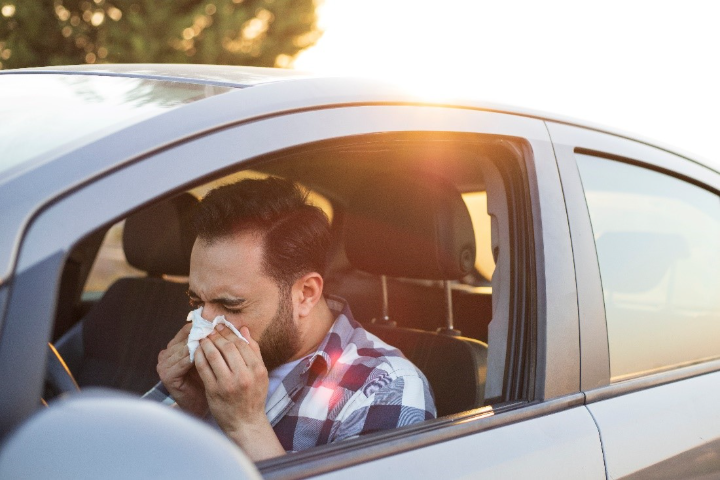
With the pollen count expected to be very high in some areas of the UK this week including London and South East England, Keith Hawes, Director of car leasing provider Nationwide Vehicle Contracts has warned drivers of the potential fines they can receive, as well as sharing tips on how to pollen-proof cars:
Check hay fever medication – driving while impaired – unlimited fine
Many drivers take hay fever medication before travelling in warm weather, but some antihistamines can cause drowsiness. What seems like a simple solution could actually increase risk, as you can still be convicted for using legal medication if it impairs your ability to drive.
Under the Road Traffic Act, offences relating to driving under the influence of drugs or alcohol do not differentiate between illegal substances and over-the-counter medicines. This means it’s essential to check how your medication affects you before getting behind the wheel, as driving while impaired could result in an unlimited fine and a minimum 1-year driving ban.
2. Keep windows closed
While it might feel counterintuitive during warmer weather, keeping fresh air out of your car can help to reduce allergy symptoms. Using the air conditioning allows drivers and passengers to benefit from the car’s built-in pollen filter, giving you the same cooling effect without letting dust and pollen inside.
If you suffer from severe hay fever, it’s worth keeping your windows closed at all times, even when it’s not particularly hot. This helps prevent pollen and dust from settling inside your car, saving you from additional build-up and the need for extra cleaning.
3. Apply Vaseline – failing to have proper control of the vehicle – £1000 fine
Petroleum jelly, such as Vaseline, can be effective at trapping pollen and helping to reduce hay fever symptoms. Applying a small amount under your nostrils can catch pollen and dust, preventing it from entering your nose and irritating your sinuses. This simple tip may help drivers stay safer during the summer months. If hay fever symptoms like sneezing, watery eyes, or coughing result in failing to have proper control of the vehicle, drivers could face a £1,000 fine.
4. Regularly replace pollen filters
Most modern cars are fitted with pollen filters within the air conditioning system to prevent dust and pollen from entering through the air vents. However, over time these filters can become clogged, making them less effective and allowing particles to pass through.
As a general rule, it’s recommended to change them once a year to maintain performance. Fortunately, replacing a pollen filter is a straightforward job and, in many cases, can be replaced at home. They are often secured with simple clips that can be accessed without tools, although a screwdriver may be needed if the filter has been in place for a long time.
5. Clean the car – obstructed view of the road – £1000 fine
Regularly cleaning your car can help minimise the build-up of dust and pollen. Be sure to vacuum carpets, mats, seat covers, dashboards, and any other surfaces where particles can collect. If cleaning is neglected, these allergens can be recirculated throughout the car as soon as you switch on the air conditioning.
It’s important to also clean the exterior, pollen covering the windscreen is considered an obstruction to vision, which goes against safety regulations. Under the Highway Code, drivers must ensure they always have an unobstructed view of the road. Failing to do so, by allowing pollen to build up and cause streaks, could see drivers face a £1,000 fine and three penalty points.
Hawes adds: “Many drivers underestimate just how much hay fever can affect their ability to stay in control behind the wheel. Symptoms like sneezing, watery eyes and fatigue can be just as dangerous as other common distractions if they’re not managed properly. Simple steps, such as checking that your medication won’t cause drowsiness, keeping windows closed and ensuring your car is clean and well-maintained, can make a big difference. Ultimately, drivers have a responsibility to make sure they’re fit to drive at all times, and taking precautions during high pollen periods is essential to staying safe and avoiding unnecessary fines.”