Scrap misleading “mansion tax”, urges deVere CEO
Britain’s so-called mansion tax must be scrapped before it starts, warns the CEO of deVere Group, one of the world’s largest independent financial advisory organisations, as it emerges that inspectors are being trained to photograph people’s homes and gardens, whether owners consent or not.
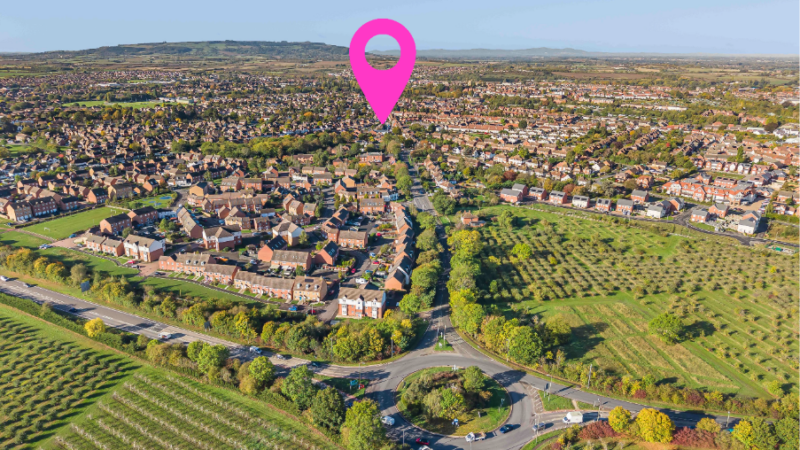
The comments from Nigel Green come as official guidance reveals inspectors assessing liability for the High Value Council Tax Surcharge will be allowed to visit properties, take notes and photograph homes from the street, even where homeowners object.
He says: “Inspectors standing outside family homes, cameras in hand, deciding who owes the state thousands of pounds a year. Most people will find that deeply uncomfortable, and they’re right to.
“This levy should be scrapped. Its name is misleading, it taxes wealth people can’t spend, it’s complex to run, and now it comes with a level of intrusion Britain hasn’t seen in property tax before.”
From April 2028, the surcharge will add an annual charge of between £2,500 and £7,500 to properties in England valued at more than £2 million. Around 150,000 homes are expected to be caught, with revaluations every five years and the charges set to rise with inflation from 2029/30.
Nigel Green argues the label itself does the government a favour.
“Calling it a mansion tax conjures images of country estates and Mayfair penthouses.
“Many of these homes were bought decades ago by people on everyday salaries. They’ve simply watched prices rise around them.”
The deVere CEO is particularly concerned about older homeowners.
“Picture a widow living on her pension in the house she bought in the 1980s. She could soon be handed a bill of up to £7,500 every single year, on gains she can only reach by selling her home. It’s a tax on paper wealth, and it takes no account of whether people can actually afford it.”
He also warns the net is likely to widen over time.
“The charges rise with inflation. Unless the threshold keeps up with house prices too, more families will be dragged in with every revaluation. We’ve seen exactly this happen with income tax thresholds, and we believe the same pattern is likely here.”
Leading tax professionals have already described the surcharge as complex and confusing, warning it creates a parallel valuation system running alongside council tax bands still based on 1991 values. Property market specialists expect a cluster of homes to be priced just below £2 million in an effort to avoid the charge.
“It’s a bureaucratic tangle,” says Nigel Green. “Every individual valuation is a potential dispute. Unusual homes, leaseholds and rural properties with land will be a nightmare to assess, and the cost of running it all will eat into whatever it raises.
“Meanwhile, buyers and sellers start gaming the threshold, transactions slow and a property market already weighed down by stamp duty gets stuck even further.”
The deVere CEO also sees a wider message being sent to people deciding where to live, work and invest.
“Britain is already losing entrepreneurs, investors and high earners to countries that make them feel welcome. Every new annual levy aimed at success makes that decision easier for them, and the country is poorer for it.”
He accepts council tax is in need of an overhaul.
“The system rests on valuations from more than 30 years ago, and nobody pretends that’s fair. But bolting a surcharge on top leaves the underlying problem in place. If council tax needs fixing, fix it properly, openly and in full.”
He concludes: “People are entitled to expect their homes to be treated as private, and their taxes to be clear, fair and honestly named. This levy falls short on all three.
“Scrapping it would cost the government relatively little in revenue and win back a great deal of trust.”