Rees-Mogg: Burnham’s proposed wealth tax would crash the UK property market
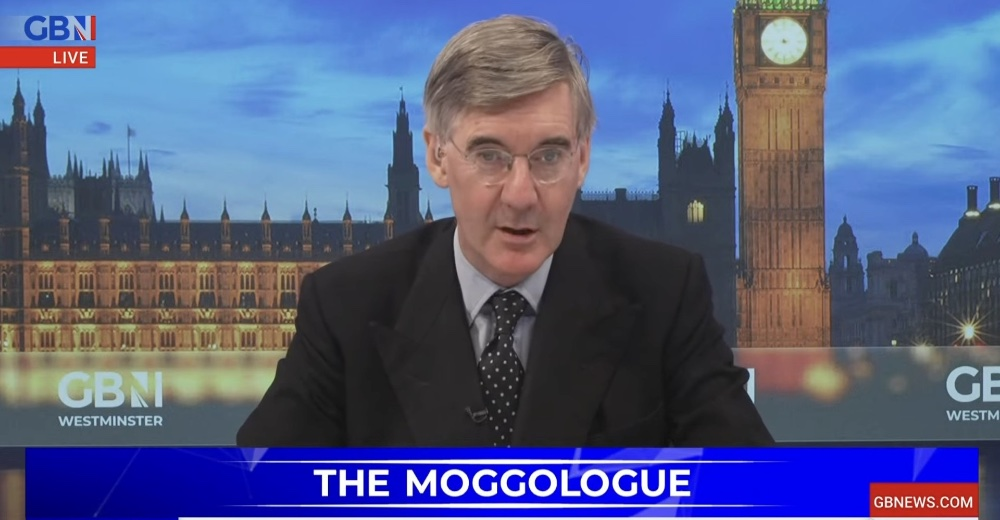
Jacob Rees-Mogg has warned that a wealth tax would crash the UK property market and drive people out of the country.
Speaking on GB News he said: “The Labour Party spends too much money, and therefore it has to raise taxation. But apparently, it’s been reported that Lord O’Neill, who was going to be brought in as an adviser to the government on its economic policy, is reluctant to join because of the wealth tax that is still being discussed.
“Now, the A B C of taxation tells you that a wealth tax is a bad idea. In his memoirs, Nigel Lawson set out six principles of taxation, and one of them, perhaps the most important, is that it should have the least negative economic impact.
“A wealth tax has the highest economic impact for the lowest amount of revenue. Why is this? It sounds so simple. Just say to rich people, we’ll take 1% of your money, and then we’ll get billions in, and you won’t really notice because you’ll still have 99% of it. Why does that work on income but not on assets?
“Well, it’s very straightforward, and that is because the most illiquid assets are the ones that tend to lead to the greatest long-term return. So think of yourself: you’re an entrepreneur. You have set up a business. It is beginning to succeed. You are employing 50, 100 people. It’s worth £20 million, but there’s no market for it.
“You can’t go to the bank and say, “Will you buy this from me?” You can’t sell it because it depends upon you as the entrepreneur. But it’s got this valuation of £20 million, and now there’s a wealth tax of 1% on £10 million of it.
“That’s £100,000 that you have suddenly got to find. But this is in your early stage of growth. You’re not necessarily paying yourself large dividends. You’re not getting cash out of it, and the cash you’re getting out of it anyway is taxed at 45%.
“So you’re already being taxed on anything that comes out, and now you’re asked for that bit more. What does that mean? It means you have to reduce employment, you have to fire people, you have to take money out that would otherwise be invested in growing the business.
“It doesn’t work because it has the worst economic impact because there’s no cash that is following it. And when you talk about the large amounts of money, they come from a remarkably small number of people.
“The wealth tax that’s been proposed on assets over £10 million, it’s been suggested that about half a dozen people would account for 15% of it. What could they do? They could just leave the country.
“So then suddenly, you either have to put the tax up, or it yields less than you expect. So the very rich leave, but that’s bad for the country.
“A country that is well governed and is prosperous wants to have rich people living in it. Why? Because they create economic activity. They spend money. They employ people. They set up businesses. They attract other people to bring their money into the country too.
“So you risk losing the very wealthy. You risk damaging small businesses that have grown into medium-sized businesses that can’t get that second level of growth. And incidentally, you crash the property market because people cannot sell 1% of a house.
“There isn’t a market for it. You can’t go along to your estate agent and say, “I want to sell 1% of my house, but keep 99% of it. I’ve got to sell this portion to pay the tax.”
“That is not available, and therefore people have to sell the whole house to pay 1% of the tax. What does that mean? Prices fall. What does that mean? The tax take falls because it’s 1% of a lower figure.
“There is no serious economist who thinks that a wealth tax is a good idea. Lord O’Neill, who advised George Osborne, which tells you as much as you may want to know, is absolutely right on this occasion.
“A wealth tax would be madness, but as always, remember you cannot tax your way to growth.”