
Five ways to alleviate hay fever symptoms as pollen levels surge across the UK
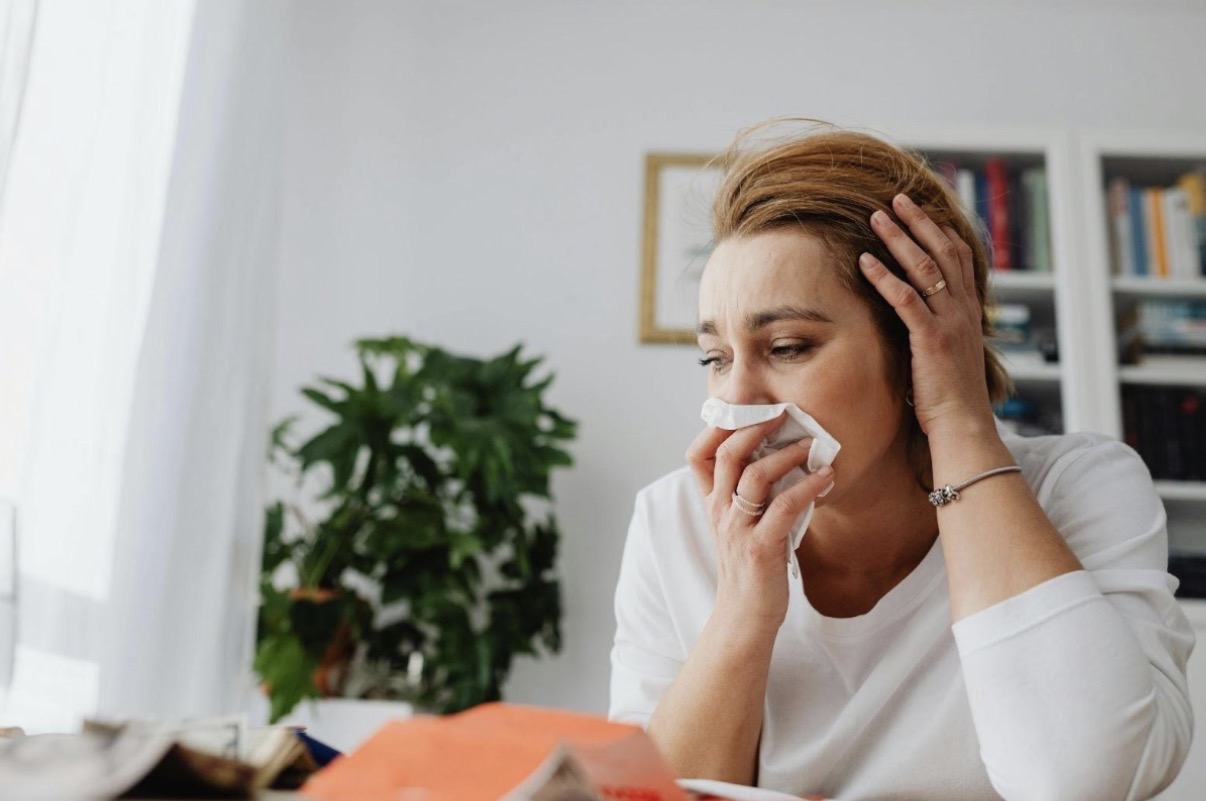
In the past month alone, UK Google searches for ‘pollen level’ have surged by 441%, following the Met Office’s issuing of very high and high pollen levels across the UK.*
With Google searches for ‘grass pollen season’ skyrocketing by 624% in the past month alone*, Dr Corné Hurter, Medical Director for Services and Delivery, AXA Health insurance, has revealed the main symptoms of hay fever to be aware of, as well as five effective ways to relieve hay fever symptoms this pollen season.
Health experts reveal one in four UK adults likely to suffer from symptoms of hay fever
Dr Hurter comments: “Hay fever is an airborne allergy that affects almost a quarter of adults in the UK. Commonly triggered by pollen, symptoms of hay fever can be experienced throughout the year, with over 30 variations of pollen in the UK being linked to hay fever.
Around 95% of hay fever sufferers react to pollen from grass; therefore, many hay fever sufferers will experience more severe symptoms between June and July when grass pollen levels peak.”
Six symptoms of hay fever to be aware this grass pollen season
Dr Hurter reveals the main symptoms of hay fever:
Nasal congestion or a runny nose
Watery, itchy, red eyes (allergic conjunctivitis)
Sneezing
An itchy nose, roof of mouth or throat
Post-nasal drip (the sensation of mucus running down the back of the throat, resulting in coughing)
Fatigue
Top tips for minimising hay fever symptoms, according to a doctor
With online searches for ‘hay fever remedies’ skyrocketing by 115% in the past 24 hours*, Dr Hurter has revealed the most effective treatments for relieving hay fever symptoms this pollen season.
She states: “Unfortunately, there is no cure for hay fever; however, there are numerous remedies and precautions you can take to minimise your symptoms so you can comfortably enjoy the brighter days this summer.”
Avoid drying clothes outdoors
Dr Hurter reveals, “One of the simplest ways to relieve your symptoms is by limiting your exposure to pollen, which can be easier said than done. Where possible, avoid drying your clothes outside as pollen can collect on your clothes whilst drying, which can cause further irritation for hay fever sufferers.”
Shower regularly after being outside
Dr Hurter comments, “As well as clinging to our clothes, pollen can remain present on our body and hair. Therefore, hay fever sufferers need to shower, wash their hair thoroughly, and change their clothes after being outside.”
“Showering reduces the risk of further irritation and can minimise the severity of hay fever symptoms. It is recommended to use warm rather than hot showers to avoid drying out the skin and, where possible, use hypoallergenic soaps or shampoos.”
Apply a thin layer of petroleum jelly around the nostrils
Dr Hurter states, “As an airborne allergen, pollen enters our immune systems in numerous ways; however, it commonly enters through the nose as we breathe.”
“Applying a thin layer of petroleum jelly, such as Vaseline, around the nasal openings can minimise the chances of pollen entering the immune system through inhalation as it acts as a barrier, trapping the pollen grains before they enter the nasal passage.”
Wear sunglasses
Dr Hurter reveals “Hay fever sufferers may benefit from wearing specific sunglasses when outdoors. Sunglasses that wrap around the head will not only protect your eyes from the summer sunshine but can further offer protection against tree pollen irritating your eyes.”
Over-the-counter medication
Dr Hurter advises,“Whilst the above tips can help people manage their hay fever in the first instance, over-the-counter medication, such as antihistamines or nasal sprays, can be used for persistent symptoms. When taking over-the-counter medications, be sure to follow the packet instructions and never exceed the recommended dosage.”