
Throw a thunderstorm party to soothe pets during storms

Throw a thunderstorm party to soothe pets during storms
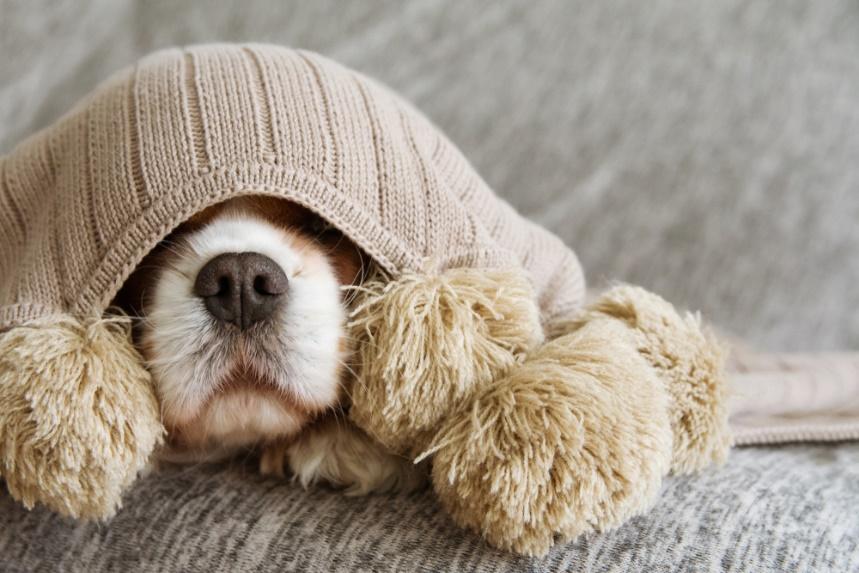
As weather warnings, thunder and rain continue to hit London, vets are sharing their top tips for soothing petrified pets during storms, including top preparation tactics, thunderstorm parties and ear wraps.

Storms and loud noises can be a trigger for anxious pets, with 42% of pet owners saying that their furry friend experiences anxiety.

According to veterinary surgeon and medical writer, Lily Richards (Bsc Hons BVSc MRCVS), animals may suffer from noise phobias during thunder and anxiety during lightning, but they can also feel the electrostatic pressure changes when a storm is looming – meaning their senses are perfectly attuned to ‘scary’ weather conditions.

To prepare fur parents for storm season, experts at TrustedHousesitters have teamed up with vet, Lily Richards, revealing five expert tips for keeping pets calm:

Throw a thunderstorm party
Often distractions are the best thing for nervous pets – so while a ‘party’ may seem unusual, it may be just what an anxious animal needs! Vet, Lily Richards, recommends:

“To offer a distraction to anxious pets, have a thunderstorm party. Close the curtains, put some music on, and play an epic round of tug or ball. It works perfectly with my Collie dog, who is barely aware of a storm occurring!”.

According to a TrustedHousesitters pet parenting study, background noise is one of the most effective ways to relieve stress and anxiety in pets, with 34% of pet owners using the TV and another 34% playing music to help comfort their pets. However, most owners say offering their pets their favourite toy is the most effective way to relieve pet anxiety – 43% of owners claim this tactic works perfectly for them.

2. Be prepared for storm seasons

When it comes to pet anxiety, preparation is key. Lily Richards says:

“Check the weather forecast to help you prepare if you have noise-phobic pets. Hold off walking dogs so you’re not caught out in a storm, especially with anxious pups who can bolt if startled. Keep cats inside, cover hutches or bring smaller animals like rabbits or guinea pigs inside in bad storms. You should also secure your home and garden to prevent your pets from escaping if they do get spooked.”

When a storm is imminent, Lily recommends:

“Prepare a safe, enclosed, dark space for pets to rest; include their favourite toys and blankets, and maybe even a puzzle feeder, for distraction. Always close your curtains or blinds to limit lightning flashes.”

image002.jpg

3. Understand when to give your pet space

It can be tempting to cuddle your pets when they’re feeling frightened, but it’s important to meet their needs. Some pets want attention, while others may want to hide. Lily explains: “Give your pet space to be stressed. There’s nothing worse than being fussed over when you’re anxious; it just breeds more anxiety. If your pet wants to pace, let them pace. Your pet will find a way of easing their own anxiety given the space to.”

4. Consider natural remedies

Keep an eye on the weather forecast and stock up on thunder-masking essentials. What works may vary from pet to pet, so try a few different options to see what works for you. Lily suggests:

“Consider natural remedies such as rescue remedy, lavender oil, anxiety diffuser plug-ins or pet thundershirts/a tight-fitting t-shirt. Thundershirts act like blankets swaddling a baby, touching on pressure points to release endorphins and happy chemicals to help calm your pet.”

If you have a frightened pooch, it’s also important to remember that dog hearing is up to five times better than humans, which is why loud noises such as thunder can be so startling to them. Look into dog ear wraps, or snoods, which cover the dogs’ ears and help to muffle sounds.

5. Distract with food

If you’re struggling with a nervous pet, turn to one of the best pet distractions – food! A third of pet owners say giving their pet treats helps relieve anxiety. If your pet is showing signs of uneasiness during storms, try distracting them with treats, or by adjusting their meal schedule to eat during storms. CBD-infused treats are an excellent option for pets with severe anxiety, as they can help them remain calm and sleep during storms – with 18% of pet owners saying they find this remedy helpful.

Angela Laws, award-winning community manager of TrustedHousesitters and pet sitter with over 14 years of experience, commented:

“It can feel so heartbreaking to watch your pet experience distress and not know how to help them. With how much pets help us, it’s only fair for pet owners to learn how we can help them too. This is especially important if a storm is expected, and your pet may be without you. Share these tips with your pet sitter, prepare for storms with desensitisation techniques, and learn exactly what your pet needs to be the best owner you can be for them.”


Leicester TV

Almost four in ten homes in England are without a carbon monoxide alarm, according to the latest government data, prompting heating experts at Ideal Heating to urge households to make gas safety a priority as autumn approaches.  The latest English Housing Survey shows that 62% of homes had a carbon monoxide alarm, leaving a significant proportion without one. With around three-quarters of UK households relying on a gas boiler as their main source of heating, millions could benefit from reviewing their gas safety measures before temperatures fall.  As households prepare to rely more heavily on their heating as temperatures fall, experts at Ideal Heating are using Gas Safety Week (14th–20th September) to remind them of the steps they can take to stay safe around gas appliances.   From keeping on top of annual checks to recognising the signs of carbon monoxide poisoning, Ideal Heating has shared five things every household should know.  Perform annual checks and maintenance Keeping on top of regular checks and maintenance is one of the simplest measures you can take to ensure your home is gas safe. This includes:   An Annual Boiler Check   Servicing your boiler once a year will not only keep the warranty intact but also ensure it is running smoothly and efficiently. If you haven’t serviced your boiler already this year, Ideal Heating recommend doing so as soon as possible while demand is lower, as boiler servicing and repairs begin to pick up over the colder months.   An Annual Gas Safety Check   This involves an inspection of relevant gas appliances in your home and should be carried out by a Gas Safe-registered Engineer. If you’re renting your property, your landlord should ensure that these checks are performed every 12 months. This should take only about half an hour and will ensure your appliances are safe and that there are no gas leaks.  Typically, these checks are performed together, so you can ensure your home is safe in a single visit.  Learn what to do in an emergency  Gas is naturally odourless and colourless, so an odorant called mercaptan is added to give it its distinctive sulphur-like or “rotten egg” smell.    Acting fast in a gas emergency is vital.  If you think you can smell gas, open all the doors and windows in your home to increase ventilation. Then, if it is safe to do so, turn off the gas isolation valve, leave the property, and contact National Emergency Gas Service. Avoid anything that could create a flame or spark, and do not turn the gas on again until the problem has been investigated and you have been told it is safe to do so.   Make sure you have a working carbon monoxide alarm  It’s important to note that carbon monoxide can also leak from malfunctioning gas appliances, and a carbon monoxide detector should be in place to help detect it. If you have a boiler, stove, or a fuel-burning fireplace, it’s recommended that you have a carbon monoxide alarm in your home.   Follow the manufacturer’s installation instructions; it is usually recommended to place the alarm roughly 15 cm away from the ceiling. Regularly test the alarm and batteries to ensure your system is working smoothly.   Understand the signs of carbon monoxide poisoning  Would you be able to spot the signs of carbon monoxide poisoning? There are 6 key indicators, including:   Headaches Dizziness Nausea  Breathlessness  Collapsing  Loss of consciousness If you begin to feel unwell, seek medical assistance immediately, and let them know you may have been exposed to carbon monoxide.   Look out for warning signs on your appliances  Monitoring your heating system can ensure faults or concerns are addressed immediately. As your heating is used more regularly, pay attention to anything unusual or different in how your appliances operate  Look out for any leaks, cracks, or unusual noises from your appliances, and if anything seems out of the ordinary, get it checked by a Gas Safe Engineer.

Almost four in ten homes in England are without a carbon monoxide alarm, according to the latest government data, prompting heating experts at Ideal Heating to urge households to make gas safety a priority as autumn approaches. The latest English Housing Survey shows that 62% of homes had a carbon monoxide alarm, leaving a significant proportion without one. With around three-quarters of UK households relying on a gas boiler as their main source of heating, millions could benefit from reviewing their gas safety measures before temperatures fall. As households prepare to rely more heavily on their heating as temperatures fall, experts at Ideal Heating are using Gas Safety Week (14th–20th September) to remind them of the steps they can take to stay safe around gas appliances. From keeping on top of annual checks to recognising the signs of carbon monoxide poisoning, Ideal Heating has shared five things every household should know. Perform annual checks and maintenance Keeping on top of regular checks and maintenance is one of the simplest measures you can take to ensure your home is gas safe. This includes: An Annual Boiler Check Servicing your boiler once a year will not only keep the warranty intact but also ensure it is running smoothly and efficiently. If you haven’t serviced your boiler already this year, Ideal Heating recommend doing so as soon as possible while demand is lower, as boiler servicing and repairs begin to pick up over the colder months. An Annual Gas Safety Check This involves an inspection of relevant gas appliances in your home and should be carried out by a Gas Safe-registered Engineer. If you’re renting your property, your landlord should ensure that these checks are performed every 12 months. This should take only about half an hour and will ensure your appliances are safe and that there are no gas leaks. Typically, these checks are performed together, so you can ensure your home is safe in a single visit. Learn what to do in an emergency Gas is naturally odourless and colourless, so an odorant called mercaptan is added to give it its distinctive sulphur-like or “rotten egg” smell. Acting fast in a gas emergency is vital. If you think you can smell gas, open all the doors and windows in your home to increase ventilation. Then, if it is safe to do so, turn off the gas isolation valve, leave the property, and contact National Emergency Gas Service. Avoid anything that could create a flame or spark, and do not turn the gas on again until the problem has been investigated and you have been told it is safe to do so. Make sure you have a working carbon monoxide alarm It’s important to note that carbon monoxide can also leak from malfunctioning gas appliances, and a carbon monoxide detector should be in place to help detect it. If you have a boiler, stove, or a fuel-burning fireplace, it’s recommended that you have a carbon monoxide alarm in your home. Follow the manufacturer’s installation instructions; it is usually recommended to place the alarm roughly 15 cm away from the ceiling. Regularly test the alarm and batteries to ensure your system is working smoothly. Understand the signs of carbon monoxide poisoning Would you be able to spot the signs of carbon monoxide poisoning? There are 6 key indicators, including: Headaches Dizziness Nausea Breathlessness Collapsing Loss of consciousness If you begin to feel unwell, seek medical assistance immediately, and let them know you may have been exposed to carbon monoxide. Look out for warning signs on your appliances Monitoring your heating system can ensure faults or concerns are addressed immediately. As your heating is used more regularly, pay attention to anything unusual or different in how your appliances operate Look out for any leaks, cracks, or unusual noises from your appliances, and if anything seems out of the ordinary, get it checked by a Gas Safe Engineer.